What Campus Reviews Reveal
Bandung Institute of Technology (ITB) scores 4.8 on Google (5,913 reviews), with student and visitor feedback focusing on academic reputation, campus environment, and living experience. A review from Rozan Ghosani (4 points, 2 years ago) reads: “ITB stands as one of the top campuses in Indonesia. I highly recommend considering it for your studies, especially if you have an interest in science, technology, or art. The campus boasts pedestrian-friendly pathways and a lush environment filled with trees, creating a refreshingly cool and comfort。” This reveals a pedestrian-friendly campus layout and green environment—walkability is an important reference for students choosing nearby accommodation.
Another review from orronoco (5 points, 3 months ago) adds: “Great place to study, helpful staff, and the place is comfortable and shady. I wish I can have my study here 🤭。” A comfortable, shady environment means that quiet, tree-lined neighborhoods are more popular when searching for housing around campus. Indra Dewanto (5 points, 3 weeks ago) though with exclamation, the core message is “hard to get in and also hard to get out… once you graduated… big and top companies will respect your degree”—this suggests that ITB has high academic pressure, students may need to live close to campus to save commuting time and devote energy to study.
These reviews together outline the ideal characteristics of nearby housing: walkable or short commute, quiet, good greenery, and in line with campus atmosphere. Meanwhile, since the campus is located at Jl. Ganesha in Coblong District, Bandung, in the city core area, a mature student living circle has formed around it.
Bandung City Background
Bandung is the capital of West Java province, Indonesia, known for its cool climate, colonial architecture, and university clusters. ITB main campus is located in Coblong District in the northern part of the city, about 3–5 km from the city center, with student residential areas such as Dipatiukur, Dago, and Setiabudi nearby. Bandung’s public transportation mainly consists of angkot (minibuses) and ojol (motorcycle taxis), and in recent years Trans Metro Bandung bus lines have also begun. For international students, walking or cycling is preferred, as congestion is more noticeable during peak hours.
The cost of living in the city is 30–40% lower than Jakarta, but in recent years, with the increase in tourists and students, rents in some areas have risen. In 2026, the Bandung city government plans to optimize the public transportation network, which may affect future commuting choices. Typically, leases are for one year with monthly payments, and most landlords require a deposit of 1–2 months. Understanding this background helps match budget and lifestyle when making housing decisions.
Budget Range
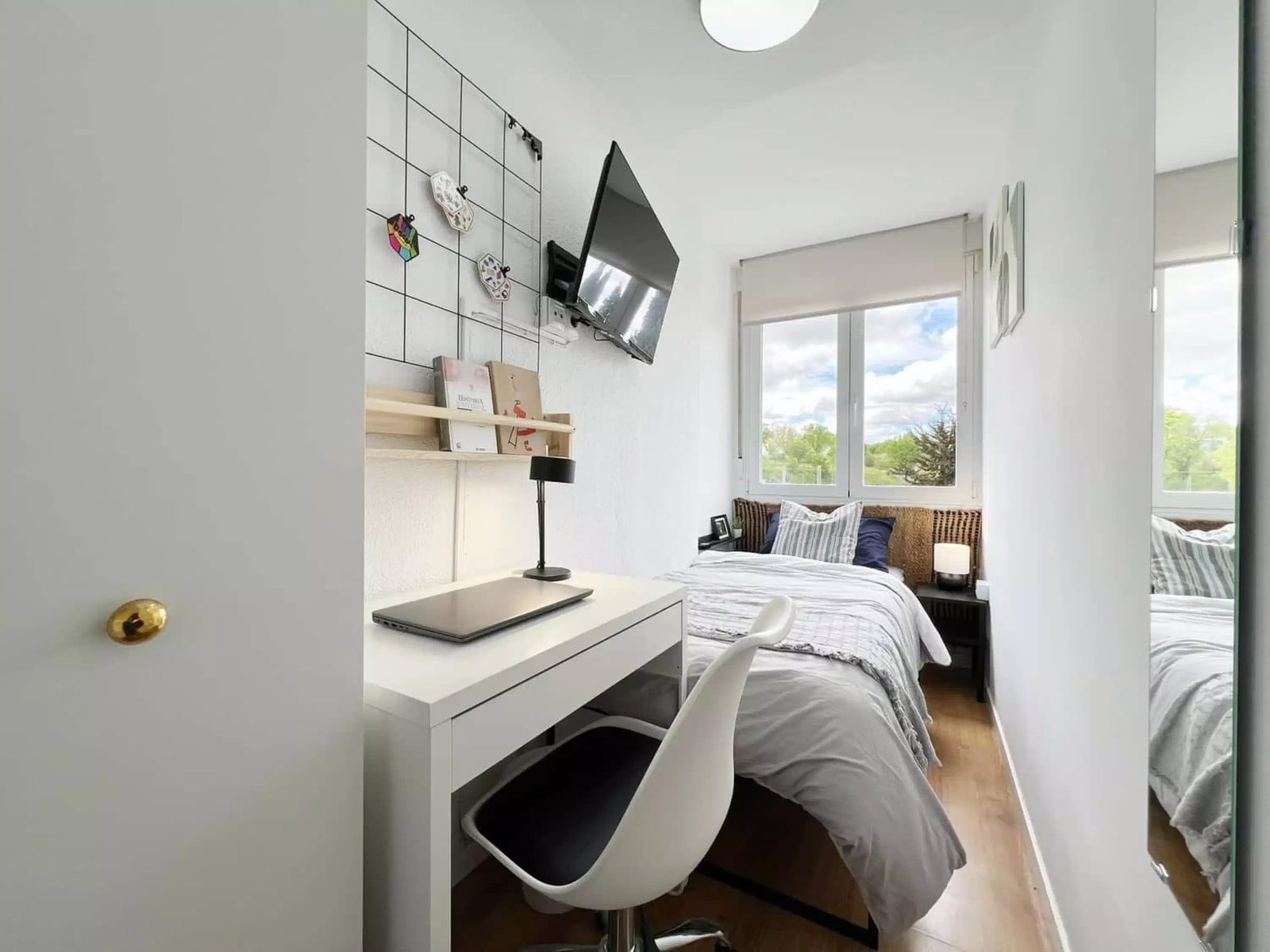
The following rents are monthly prices, all indicative—please confirm with the operator. Data based on the common rental market in northern Bandung in early 2026 (excluding utilities):
- Economy: IDR 800,000 – 1,500,000
Common form is kos (boarding room), shared bathroom, area 12–18 m², basic furniture (bed, desk, fan), 20–30 minutes walk or 10 minutes bike ride to ITB. - Mid-range: IDR 1,500,000 – 3,000,000
Mostly kamar apartemen (apartment room) or private kos with air conditioning, private bathroom, area 18–30 m², 10–15 minutes walk from campus, or in buildings with good facilities near the Dago area. - Comfort: IDR 3,000,000 – 6,000,000
Usually a full studio apartment (e.g., apartments along Jl. Ganesha), area 30–45 m², equipped with air conditioning, kitchenette, washing machine, 5–10 minutes walk to ITB. Shared villas (rumah kos eksklusif) also have such prices, with shared living room and kitchen.
Note: The above are typical listing prices collected in 2026 month 3. Actual rents vary by location, finish, lease term, and negotiation. All prices are in IDR. It is recommended to confirm in writing with the landlord or management the total cost and included facilities before signing a contract.
Walk vs. Transport Trade-offs
ITB main campus covers about 30 hectares, and walking from the north to south end takes about 25 minutes. For students living off campus, the main trade-off is distance, convenience, and rent.
Walking advantages:
- Walking 5–15 minutes from Jl. Ganesha, Jl. Surapati, or Jl. Taman Sari gets you onto campus without paying transportation costs.
- Walking routes go through tree-lined streets (such as Jl. Ganesha itself), with higher safety and comfort.
- Saves time waiting for vehicles and traffic jams, suitable for students with dense schedules (ITB often runs from 8 AM to 5 PM).
Walking disadvantages:
- Walkable properties in the same area usually have higher rents (20–40% more expensive than 2 km away).
- Housing options are relatively scarce, requiring booking 1–2 months in advance (especially before the new semester in month 7).
Transportation options:
- Motorcycle taxis (Gojek/Grab): fixed pricing, short trip about IDR 8,000–15,000, monthly commuting cost IDR 200,000–400,000 (assuming two trips per day).
- Angkot: route numbers are complicated, from Jl. Dipatiukur to ITB north gate about IDR 5,000, vehicle condition average, travel time 10–20 minutes.
- Walking + shared bike: Bandung has some shared bike stations, but coverage is not comprehensive, mainly limited to main roads.
If you choose to live farther away (e.g., Setiabudi, Sukajadi), monthly transportation costs about IDR 300,000–500,000, but rent can save IDR 400,000–800,000, with limited net savings. The key is the individual’s valuation of time: engineering students with heavy academic loads often prefer options within 15 minutes walk, while budget-sensitive students accept 20–30 minutes walk or short rides.
Selection Logic: How to Filter Nearby Housing
Since the student housing market around ITB is mainly individual rentals and agency agents, with no unified platform, the following logic can help you narrow down:
- Location radius: Center on ITB main gate (Jl. Ganesha main gate), set a 1 km circle. Covers southern Coblong District, entire Ganesha street, western section of Jl. Taman Sari. Within 2 km includes Dipatiukur and Babakan Siliwangi areas.
- Check walking route: Use map to confirm if walking path goes through quiet streets, sidewalk width, night lighting. Avoid main roads (e.g., Jl. Suci) to reduce noise.
- Filter condition priority:
First priority: walk ≤ 15 minutes, private bathroom, includes air conditioning.
Second priority: walk 15–25 minutes / transport ≤ 10 minutes, shared bathroom, fan is enough.
Third priority: walk > 25 minutes but monthly rent below IDR 1,200,000, and have reliable travel plan. - Verify safety and convenience: Check distances to nearby convenience stores, laundromats, food stalls (warung). The areas students often mention as “comfortable and shady” tend to be concentrated on the east side of Jl. Ganesha and inner streets of Taman Sari.
- Check contract details: Ask to clarify whether water, electricity, and internet costs are included (usually kos includes water and electricity but air conditioning is separate), check-out terms, guest policy. Avoid paying large deposits upfront through unlicensed agents.
Suppose you find two reference properties (based on common types):
- A: Single room kos on inner street of Jl. Ganesha, monthly rent IDR 1,800,000 (indicative), 5 minutes walk, common area with shared kitchen.
- B: Apartment room on Jl. Dipatiukur, monthly rent IDR 2,500,000 (indicative), 12 minutes walk, with air conditioning and private kitchen.
Compare the monthly total cost: A’s air conditioning costs an additional IDR 200,000–300,000, B includes it in the rent; A is 200 meters from a convenience store, B has a supermarket downstairs. Prioritize your class schedule and routine: if you often stay in the lab until 9 PM, B’s private kitchen and air conditioning are more practical; if you mainly go back to sleep, A is more economical.
Frequently Asked Questions
Can international students find short-term leases (e.g., 6 months) near ITB?
Most landlords in Bandung require a minimum lease of 12 months, but some newly built apartments (especially Kos EXCLUSIVE for students) accept 6-month leases, with rent usually increased by 10–15%. It is recommended to clearly state your short-term intention when inquiring, and check if subletting is allowed in the contract. For students enrolled in 2026 (month 8), starting to contact now, with leases starting from month 7 or month 8, it is easier to find 12-month standard contracts.
Which is cheaper, dormitory or off-campus housing? Does ITB have on-campus accommodation?
ITB’s on-campus dormitories (Asrama) are mainly provided for regional students and some scholarship students, with limited slots and priority for new students. Off-campus Kos prices have a wide range (IDR 800,000–3,000,000), and mid-range options are slightly lower or equal to on-campus dorms (usually IDR 1,200,000–1,800,000), but off-campus offers more privacy and flexible dining. Dorms usually have restricted electricity hours and curfews, while off-campus has no such restrictions. It is recommended to apply for on-campus dormitories and also look for off-campus properties to be prepared.
When is the best time to start looking for housing? How to avoid scams?
For starting studies in month 8, the ideal time to start is month 4–5 (3–4 months in advance). After month 6, housing becomes tight and prices may rise. Ways to avoid scams:
- Contact landlords through existing student groups (e.g., ITB international student groups) or friend recommendations.
- Try to personally view the property or entrust a trusted person, do not readily believe photos.
- Never pay a “booking fee” or more than one month’s deposit.
- Request a written contract (in Indonesian or bilingual), take a photo for safekeeping before signing.
Data date: 2026 month 4
Explore more: Browse all student housing guides