Campus Experience and Surroundings
The main campus of Julius-Maximilians-Universität Würzburg (JMU) is located in the center of Würzburg, at the address Sanderring 2, 97070 Würzburg. Founded in 1402, this university is one of the oldest institutions of higher education in Germany, with campus architecture blending classical and modern styles. Based on 616 reviews on Google Maps, it has received a high rating of 4.5 stars. Students have shared their personal experiences in reviews:
“A historic and impressive university with a vibrant campus vibe. Julius-Maximilians-Universität Würzburg is one of the oldest universities in Germany, and you can feel the history in the architecture and atmosphere. Walking through the campus, you’re greeted by a mix of classic academic buildings an” —— Ronnie & Princess (7 months ago)
“Proudly got my bachelor’s degree from JMU. Many good memories and gained friendships and connections to keep lifelong.” —— Atelier by Karin (2 years ago)
These reviews reflect that the campus not only has historical significance but is also vibrant. The campus is distributed across multiple locations in the city center. The main campus (Sanderring) is close to the Main River, and within walking distance of the old town’s shops, cafés, and public transport hubs. For the upcoming 2026/2027 academic year, when choosing accommodation, one needs to consider class locations, budget, and personal lifestyle comprehensively.
Würzburg: Student City Overview
Würzburg is a medium-sized university city in northern Bavaria, with a population of about 12 万, of which students account for over 15%. The city is famous for its vineyards along the Main River, the Würzburg Residence, and the Old Main Bridge. The job market is mainly in services, healthcare, and technology, but as a student, you are more likely to be concerned with living costs and housing supply and demand.
In terms of public transport, Würzburg has a tram (Straßenbahn) and bus network operated by WVV. Students can purchase a semester ticket (Semesterticket), which covers the entire Würzburg city area and surrounding regions. The cost is already included in the registration fee (estimated at 150-200 欧元 per semester for the 2026/2027 年). Bicycles are also a main mode of transport for local students, and the city has dedicated bike lanes.
The housing market is tight at the start of each school year (9-10 月) and before the start of the winter semester. It is common practice to start looking for housing 3-4 个月 in advance. The main types of accommodation include: student dormitories (managed by Studentenwerk Würzburg), private shared apartments (WG), single apartments (Einzelapartment), and whole apartments leased directly from the landlord.
2026/2027 Accommodation Budget Reference
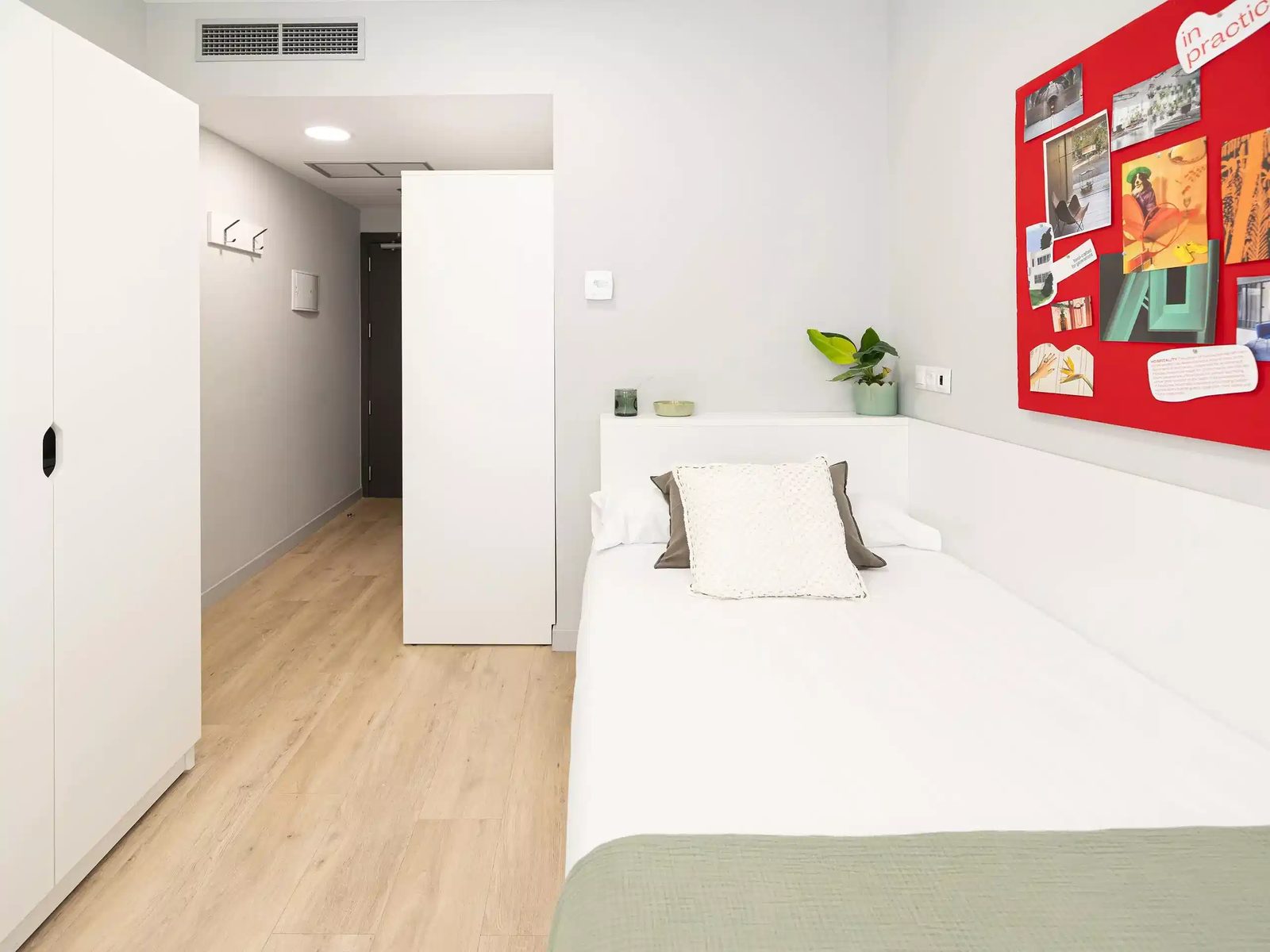
The following prices are indicative — confirm with the operator, based on the general level of the Würzburg student housing market in 2026/2027. Actual rent may vary depending on room size, location, amenities, and signing date.
- Student dormitory (Studentenwohnheim)
Single room or shared room: monthly warm rent about 280-450 euros
Includes water, electricity, and internet; usually with shared kitchen and bathroom. Applications must be submitted through Studentenwerk Würzburg, and the waiting period is typically 1-2 semesters. - Private shared flat (WG-Zimmer)
Single room monthly 350-550 euros (warm rent)
Rent is higher than in dormitories, but the choice is broader. Price depends on distance from the city center and room size. WG rooms near the main university campus or the medical school can reach 500 euros or more. - Studio apartment (1-Zimmer-Wohnung)
Monthly 450-700 euros (warm rent)
Suitable for students who want to live independently, area about 20-35 square meters. Rent is higher in the city center and relatively cheaper in the suburbs. - Entire apartment (2-Zimmer-Wohnung and larger)
Monthly 600-900 euros (warm rent)
Suitable for couples or friends sharing; after splitting, each person pays 350-500 euros.
Note: The above costs do not include the semester ticket fee paid upon registration each semester. Additionally, the deposit is usually 2-3 months of net rent.
Walking vs Public Transport: How to Choose a Living Area
The main campus of the University of Würzburg is located in the city center (Sanderring), while other departments such as engineering, medicine, and psychology are distributed on the Hubland Campus (about 3 km southeast of the city center) and near the university hospital (Grombühl district). Therefore, the ideal place to live depends on which teaching buildings you frequent.
Walking priority
If most of your classes are at the main campus (Sanderring, Philosophiegebäude, etc.) or near the old town, areas within 15-20 minutes walking distance include:
- Altstadt (old town) — higher rent, single room 550-700 euros
- Steinbachtal, Sanderau — walkable to main campus, medium rent (WG room 400-500 euros)
Advantages: no public transport costs, easy access to library and city center at any time. Disadvantages: high competition for housing, nightlife may bring noise.
Public transport priority
If you mainly have classes at Hubland campus or the medical school, the subway and tram (lines 4, 5) are key. Consider the following residential areas:
- Near Hubland (e.g., Frauenland, Heidingsfeld) — walking or short bus ride to engineering buildings, WG room 350-450 euros
- Grombühl — adjacent to the medical school, many student dormitories and WGs, rent 300-420 euros
- Peripheral areas (e.g., Zellerau, Lindleinsmühle) — tram ride to city center about 15 minutes, lower rent (WG room 300-400 euros)
Advantages: relatively cheap rent, quiet living environment. Disadvantages: need to use semester ticket, daily commute time increases by 10-20 minutes.
General advice: If you are unsure of your main class location, prioritize areas along the tram lines (e.g., lines 1, 2, 4, 5) in the middle, such as Sanderau or Frauenland, to balance walking and transport.
Building Your Shortlist: Prioritizing Accommodation Filters
When searching for housing in the 2026/2027 academic year, you can build a shortlist by following these steps. Since the Würzburg housing market information is scattered, it is recommended to combine Studentenwerk official channels, online platforms, and local WeChat groups (but note: this article does not mention specific platform names, only provides ideas).
-
Determine the Budget Ceiling
Based on your personal financial situation, set a monthly warm rent ceiling (including utilities and heating). For example: no more than 500 euros. This determines whether you can choose a private WG or student dormitory. -
Set Geographic Priorities
List the 2-3 most important teaching building locations of your faculty. For example: main campus (Sanderring) and Hubland campus. Then draw a 30-minute public transport circle (or 30-minute bicycle circle) on the map, marking acceptable areas. -
Choose Housing Type
- Student dormitory: No pressure for deposit during application, but requires a longer waiting time. If you can accept shared living and don’t mind communal facilities, this is an economical first choice.
- Private WG: High flexibility, but you need to negotiate rules with flatmates. Suitable for students with some German language skills.
- Single apartment: Best privacy, but high rent and strict contract terms (e.g., minimum rental period of 12 months).
-
Inspect Priority Listings
For the 5-6 candidate listings, check:- Distance to the nearest bus stop (walking no more than 8 minutes)
- Surrounding supermarkets, laundromats, etc.
- Internet connection (fiber optic or DSL)
Many old buildings in Würzburg offer high-speed internet, but it is recommended to confirm in advance.
-
Check Fee Details Before Signing the Contract
Confirm whether the rent includes water, electricity, heating, and garbage fees (Nebenkosten). Student dormitories are generally all-inclusive, while private rentals often include only part. Winter heating costs may increase by 30-70 euros per month, so be sure to include it in the budget in the contract. -
Refer to Other Students’ Experiences
From university reviews, it can be seen that JMU has a good campus atmosphere, and many students choose to live near the campus for social convenience. But if you prefer a quieter environment, suburbs such as Höchberg or Veitshöchheim are also options (about 10 minutes to the main station by regional train).
Frequently Asked Questions
1. What is the application deadline for student dormitories in Würzburg?
Studentenwerk Würzburg dormitories generally accept applications year-round, but quotas are tightest in the months before the semester (especially 7–8). It is recommended to submit your application 3–4 months before the start of the semester, and also prepare private housing as a backup. Waiting list lengths vary by dormitory; some may require 1–2 semesters. Indicative price range is 280–450 EUR/month warm rent (2026/2027). Please contact Studentenwerk directly to confirm the latest information.
2. Which area is more suitable for new students: walking distance to the main campus or to Hubland campus?
If you have not yet determined your main lecture location, it is recommended to choose the city center area (e.g., Sanderau or Altstadt). Most courses are held on the main campus, and the old town offers convenience. However, the Hubland campus also has significant STEM and medical courses. The best option is to live near the 4 or 5 tram line, for example in Frauenland, which provides 10 minutes to Hubland and 15 minutes to the main campus.
3. Does the semester ticket cover all public transport in Würzburg?
Yes, the 2026/2027 semester ticket (already included in the registration fee) allows unlimited travel on trams, buses, and regional trains (RE/RB do not cover long-distance) within Würzburg city and surrounding areas (including regional trains to Höchberg, Veitshöchheim, etc.). This means that if you live in the suburbs, you have no extra transport costs—you only need to consider commuting time.
Data as of early 2026. All prices are indicative — confirm with the operator. No endorsement of any specific platform is implied.
Explore more: Browse all student housing guides