Campus Reviews Reveal: Princeton University’s Environment
Princeton University has a score of 4.7 on Google (2,058 reviews), and many visitors and community members highlight the beauty and historic feel of its campus. One reviewer wrote: “Princeton University is one of the most beautiful campuses I’ve seen. There is a sense of awe at the centuries-old buildings juxtaposed with new construction. You can feel history as you walk the grounds of this incredible campus.” (Jennifer Doyle, one month ago) Another alum’s spouse described: “God I love this place and the reunions are insane.” (James VanRensselaer, three weeks ago)
These comments show that the campus itself is an important factor in choosing housing—it is both a place to study and a space suitable for walking and relaxing. KGQ NYC commented five years ago: “Gorgeous campus for a peaceful stroll. A few gentle hills and plenty of beauty all around. … Many excellent food and shopping choices in town. Definitely one of the most beautiful American college campuses.”
From the reviews, it can be inferred that housing within walking distance of campus allows students and staff to make fuller use of campus facilities and the conveniences of the surrounding town.
City Background: Princeton Town
Princeton is a small town in New Jersey, and the university is almost integrated into the town center. The town has independent dining, shopping, and cultural venues, such as the art museum and gift shop mentioned in the reviews. According to one visitor: “There is a gift shop as well. I recommend !” (Alexandra Borisevich, three years ago)
Because the university is ranked 25th in the world (QS 2027 data), Princeton attracts scholars and students from around the globe. The town itself is not large, and most daily needs can be met within walking distance or a short bike ride. However, if you need to go to New York or Philadelphia, you can take NJ Transit trains (Princeton Junction station). This duality—a quiet campus town plus transportation connections to big cities—determines the main variable in housing choice: whether to prioritize walking convenience or accept a commute in exchange for lower rent or more space.
Budget Range – Housing Cost Overview
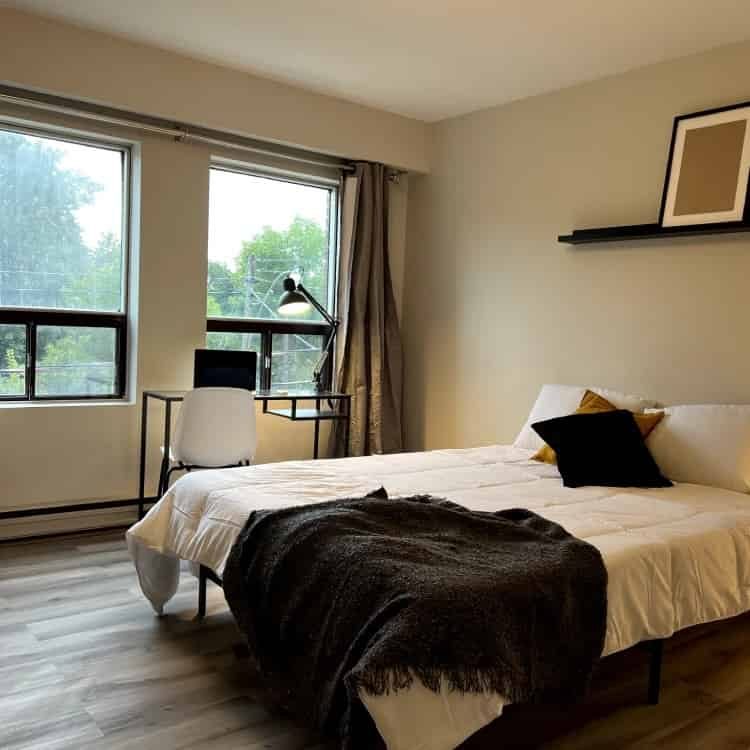
Housing costs vary by room type, location, and lease type. Since rental data for the Princeton area was not provided in this material, the following is only a general description; specific prices must be confirmed directly with the landlord or property manager (indicative — confirm with the operator).
- On-campus dormitories: Undergraduate students are usually required to live on campus, with costs included in tuition; graduate students can apply for graduate housing, but spaces are limited.
- Off-campus apartments: Apartments around the school (15–20 minutes walking), for example near Princeton town center or Nassau Street, with room types from studios to two-bedrooms. Rent usually includes water and heating, with electricity billed separately.
- Shared houses: Graduate students and young scholars often choose to share a single-family house or townhouse with 2–4 people, with per-person costs typically lower than renting an apartment alone.
- Nearby communities: Such as West Windsor, Plainsboro, or Lawrenceville. These areas require driving or taking the bus to campus, and rents are relatively lower than in the town center.
It is recommended to check the university housing office’s recommended list before the application season begins and to pay attention to seasonal fluctuations in the local rental market.
Walking and Transportation Trade-offs
Princeton town is a classic example of a “walkable campus”. Reviews mention “a few gentle hills and plenty of beauty all around” (KGQ NYC), indicating a pleasant walking experience. Living in the town center or on the edge of campus allows you to walk to class, the library, restaurants, and the supermarket without needing to drive every day. However, housing that is convenient for walking usually has higher rents and low vacancy rates.
If you are willing to accept a 10–15 minute drive (or take the university’s free shuttle), you can move into residential areas like West Windsor, which have multi-family houses and apartment communities that may be more affordable. Additionally, Princeton Junction station provides frequent train service for those who need to commute to New York or Philadelphia—but for daily classes, you still need the bus or a bicycle for the connection.
Key trade-offs:
- Within walking radius: Ideal, but competitive; start looking for housing 3–4 months in advance.
- Bicycle/bus commute: Lower cost, but you need to adapt to weather and schedule.
- Car commute: Requires consideration of parking permits (university parking is limited and paid) and fuel costs.
Shortlist Logic – How to Choose Nearby Housing
Since this material does not provide specific apartment names or landlord information, the following is a general logical framework for selecting housing, which can help you filter the most suitable options in local search results.
- Determine your commute method: If you don’t have a car, prioritize listings within walking distance of 1.6 km (about 20 minutes). Use map tools to measure the straight-line distance and the actual walking path from the property to the main campus (address: Princeton, NJ 08544).
- Set a budget cap: Before obtaining specific quotes, check the annual rent survey report published by the university housing office (usually available on the official website) to understand current market averages. Treat all prices as “indicative — confirm with the operator”.
- Pay attention to safety and neighborhood reviews: Overall, Princeton has good public safety, but it is still recommended to check local crime maps and inspect the surroundings in person before signing a lease.
- Review contract details: Confirm whether the lease term matches the academic year (typically from month 8 to month 5 of the following year), and whether subletting is allowed. Some apartments require a credit check and a security deposit (usually one month’s rent).
- Utilize alumni/student forums: Princeton University has an official housing bulletin board where you can find roommates or sublet information. Avoid using unverified intermediary websites.
Below is a short decision example (not a table, only text description):
- If you want to walk across campus to class every day and your budget allows, prioritize apartments south of Nassau Street and on both sides of University Place.
- If you are willing to take the shuttle or bike for 15 minutes, you can expand your search to neighborhoods west of Harrison Street or south of Alexander Street.
- If you live with family and need more space, the villa areas in West Windsor or Plainsboro may be more suitable, but you will need a car.
Frequently Asked Questions
Is it more cost-effective to live on campus or off campus?
Undergraduate students are usually required to live on campus, with costs included in tuition, so a direct comparison is not possible. Graduate students can choose to live off campus in shared housing or apartments; rent is typically lower than the individual price of on-campus dormitories, but they need to handle utilities and internet themselves. For specific fees for the 2026–2027 academic year, consult the university housing office and confirm (indicative — confirm with the operator).
Do I need a car?
If you live within walking distance or along the campus shuttle route, you do not need a car. However, if you choose a more distant community like West Windsor, or frequently go to New York/Philadelphia, having a car is more convenient. Parking spaces in Princeton town are limited; off-campus apartments usually offer one street parking spot. University parking permits cost extra, and student parking spaces are tight.
How can I ensure I find a reliable rental?
Step 1: Visit Princeton University’s official housing resources page (not third-party websites) to see the list of certified landlords and rental postings. Step 2: Inspect the property in person or ask someone to do so before signing the lease, paying attention to heating, air conditioning, electrical circuits, and locks. Step 3: Read the lease carefully, especially the sections on maintenance responsibilities, early termination clauses, and deposit refund conditions. All rent figures must be directly confirmed with the operator (indicative — confirm with the operator).
Data date: February 2027. Reviews, rankings, and scores in this article are based on the data provided.
Explore more: Browse all student housing guides