Campus Location and Surrounding Area
Tokyo Medical and Dental University (TMDU) main campus is located at 1-5-45 Yushima, Bunkyo-ku, Tokyo. Bunkyo-ku is a renowned educational district in Tokyo, home to many universities and medical institutions, with a relatively quiet environment and strong academic atmosphere. According to a 2.9 rating (632 reviews) on Google Maps, some visitors’ comments reflect actual experiences. A patient named Math Simon mentioned: “I can only comment as an outpatient who visited the neurology department. The TMD has multiple neurologists who can help diagnose multiple patients at a time… they were able to accommodate me and help me on my situation.” This indicates that the neurology department of the hospital (university hospital) is highly efficient. Another user, Polly Bama, gave high praise to the pediatric department: “Their pediatric department is really good. Some Doctors speak English, if not, they have a translation service. The doctors n nurses are very sweet n will make kids very comfortable.” This shows that the medical staff on campus have some English proficiency and are friendly to international students or patients. Also, Physio Yuli said: “All staff and medical team in hospital very helpful and great work… The doctor is kind and his english speaking so fluent.” And M M thanked Dr Yuki Kinoshita’s team: “they provided world-class medical care for my father and saved his life.” These comments reflect the quality of medical services at the university hospital, and also suggest that there are corresponding student dormitories or rental apartments near the campus, making it convenient for students to quickly reach the hospital and classrooms.
City Background and Pace of Life
Tokyo is one of the most densely populated cities in the world, but Bunkyo-ku is a residential and academic mixed area, with a more relaxed pace of life than commercial districts like Shinjuku or Shibuya. Around Yushima, there are cultural facilities such as Ueno Park and the Tokyo National Museum, within walking distance. Near the main gate of the university are Yushima Station on the Tokyo Metro Chiyoda Line, and Okachimachi Station on the JR Yamanote Line. Commuting to major Tokyo stations (Tokyo Station, Shinjuku Station) takes 15–25 minutes. The district is well-equipped with supermarkets, convenience stores, clinics, and pharmacies, suitable for students’ daily needs. For international students, Bunkyo-ku has good public safety, clean streets, and is close to Akihabara Electric Town and the historic Asakusa area, balancing convenience and sightseeing.
Budget Tiers
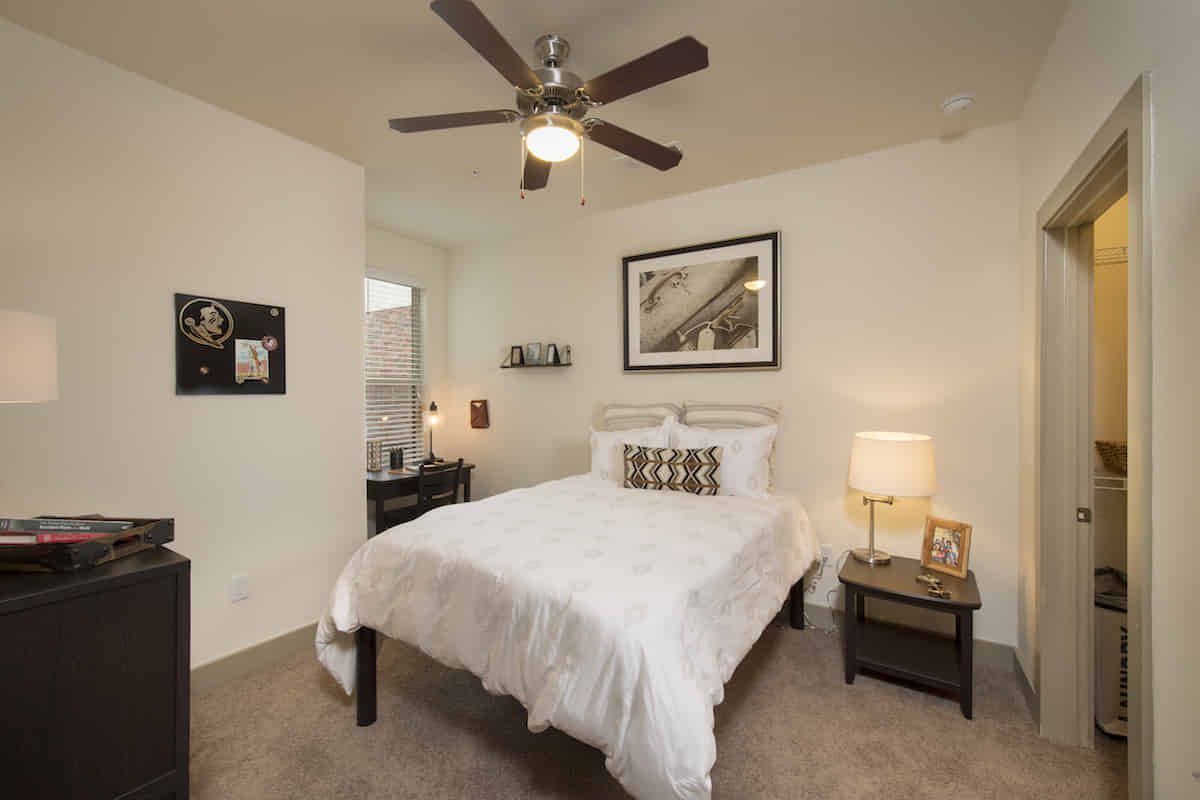
The following rent ranges are approximate prices for typical student housing in Tokyo’s Bunkyo-ku and surrounding areas for 2026 (indicative — confirm with the operator). Actual prices may vary depending on room size, facilities, and distance to the station.
- Budget (5–7万 JPY/month)
Includes a single room in a Share House (shared apartment) or a small student dormitory. Usually shared kitchen and bathroom, room area about 6–10 square meters. Located 12–15 minutes walk from Yushima Station, or one station further (e.g., Okachimachi, Suehirocho). This type of accommodation is suitable for students on a tight budget who do not require high privacy. - Standard (7–10万 JPY/month)
A 1R or 1K apartment (bedroom and kitchen separated), area about 15–20 square meters, with private bathroom. 5–10 minutes walk to the university, or located near a subway station. This is the choice of most undergraduate and graduate students, balancing commute time and living quality. - Comfort (10–15万 JPY/month and above)
A 1LDK or 2DK apartment (with separate living room), area 25–40 square meters. Usually equipped with air conditioning, washing machine, and balcony. Within 5 minutes walk to the university, or on a quiet residential street. Suitable for doctoral students or researchers with families who need more space.
Note: The above are approximate ranges including management fee, excluding utilities and internet fees. When signing a contract, you typically need to pay a deposit (1–2 months), key money (1–2 months), agent fee, etc., with initial costs amounting to about 4–6 months of rent. It is recommended to request a detailed cost list from the operator or landlord.
Walking and Transit Trade-offs
TMDU main campus is in Yushima, with nearby subway stations: Yushima Station on the Chiyoda Line, Ueno-Hirokoji Station on the Ginza Line, and Okachimachi Station on the JR Yamanote Line. Walking times to the university are as follows:
- Yushima Station Exit 1: about 3 minutes walk
- Okachimachi Station: about 8 minutes walk
- Ueno Station: about 12 minutes walk
When choosing accommodation, prioritize areas within a 15-minute walk: Yushima, Ueno, Yayoi, Hongo, and Nezu. Rent in these areas is slightly higher, but it saves 30–60 minutes of daily commuting time. If you choose a more distant area (e.g., Akihabara, Asakusa, Kanda), commuting time may increase to 25–40 minutes one way, but rent may be 10%–20% lower and living amenities are more abundant. Using a Tokyo Metro commuter pass (student discount), the monthly commuting cost is about 1–1.5万 JPY, which should be included in the total cost. For students relying on bicycles, Bunkyo-ku has gentle terrain, and the range of areas reachable by bike within 10–20 minutes is broader, but parking rules must be observed.
Accommodation Selection Logic (Using Given Location)
Since no specific list of nearby apartments is provided here, the following is a filtering logic based on the university address and transportation for your reference when searching in 2026:
- Determine search radius: Center on TMDU’s location (1-5-45 Yushima, Bunkyo-ku), and prioritize apartments within a 15-minute walk. Use a map app to set a ‘15-minute walk’ range and circle areas such as Yushima, Ueno, Okachimachi, and Hongo-sanchome.
- Distinguish between dormitories and private rentals: Student dormitories (e.g., International Exchange Hall, university-affiliated dormitories) are usually cheaper (5–7万 JPY per month), but may require waiting lists and have fixed contract periods; private apartments offer more options but the procedures are more complex. Verify properties that have ‘foreigner fixed-term rental’ eligibility.
- Check transportation conditions: Ensure the property is within a 10-minute walk from the nearest station, and that the station to the university requires no transfers (Chiyoda Line direct is preferable). If choosing along the JR Yamanote Line, note the walking distance from Okachimachi or Ueno stations to the university.
- Medical resources mentioned in reviews: TMDU University Hospital is on campus. If you need to visit the hospital frequently for health reasons, choosing accommodation within a 10-minute walk can save a lot of time. Also, the area around the hospital is mostly quiet residential, with less noise at night.
- Initial budget verification: Rent should not exceed 30% of monthly income (assuming part-time work or scholarship). Calculate the sum of ‘rent + commuting + utilities’ to ensure it does not exceed disposable income.
You can use online rental platforms to filter the above areas, entering keywords like ‘Bunkyo-ku Yushima’ or ‘Taito-ku Ueno’, and set price filters. Note: Google reviews mention words like ‘foreign tra’ indicating the hospital has international patients, suggesting that surrounding accommodation also has a certain degree of internationalization.
Frequently Asked Questions
Do international students need a guarantor to sign a rental contract?
Most private apartments in Japan require a guarantor (usually a Japanese national or permanent resident). If you cannot find a guarantor, you can use a ‘guarantor company’ service (costing about 50%–100% of monthly rent). Some student dormitories or international student apartments accept overseas applications and do not require a guarantor, but spaces are limited. It is recommended to first consult the accommodation options recommended by the university’s international student office.
What supermarkets or daily shopping points are near the university?
Around Yushima Station there are small supermarkets (such as Life, Maruetsu), convenience stores (7-Eleven, FamilyMart), and drugstores. Near Ueno Station, there is ‘Ueno Ameyoko Market’ (Ameyoko), where you can buy cheap fruits, vegetables, and daily necessities. Within a 15-minute walk, there is a large supermarket ‘Olympic’, suitable for weekly shopping. All prices are at Tokyo’s general level for 2026, with no special discount data.
What is the actual time difference between walking to school and taking public transit?
Centered on the university, the area within a 15-minute walk includes: Yushima, around Ueno Park, Hongo-Todaimae, and Nezu. Taking a bus with one transfer can expand the range to Asakusa, Akihabara, and Kanda, but total time is about 25–40 minutes (including walking to the stop). Given the high frequency of Tokyo Metro (every 2–3 minutes during peak hours), taking public transit does not significantly save time unless you choose a property more than 20 minutes away on foot. It is recommended to try walking the morning rush hour route once before deciding whether to rely on public transit.
Data date: April 2026. All prices are indicative; please confirm the latest fees and availability with the operator.
Explore more: Browse all student housing guides