University of Buenos Aires Student Housing Guide
The University of Buenos Aires (Universidad de Buenos Aires, UBA) is the highest-ranked higher education institution in Argentina, ranked 84th in the 2026 QS World University Rankings. The main campus is located at Viamonte 430, in downtown Buenos Aires (Microcentro), with convenient transportation nearby, but student housing options need to be considered based on campus experience, commuting methods, and budget. The following provides practical ideas for finding housing during the 2026/2027 academic year, based on real user reviews, city characteristics, and common accommodation types.
What Campus Reviews Reveal
UBA receives 4.2 stars (678 reviews) on Google Reviews, with overall positive feedback but some comments about communication and course scheduling.
- Architecture and Environment: Several users highly praise the campus building. Anthony Mak (5 stars, 3 years ago) wrote: “The building was a great one. It seems there was an exhibition but I didn’t see any visitors.” Another user, Sword of Damocles (5 stars, 8 years ago), mentioned: “Met a couple friends here. Some were students others were professors (or soon to be professors). Love the layout and again great architecture.” This indicates that the main campus itself is an attractive study venue, but the convenience of nearby accommodation is equally important – if you live within walking distance, you can better utilize the campus space.
- Communication and Course Experience: Some reviews point out difficulties contacting the university. Esther (3 stars, 6 years ago) noted: “Please I’ve been trying to contact the university for over 2 months now… their contact number doesn’t go nor does their email.” Although this is an administrative issue, for international students who may encounter housing contract or enrollment issues, it may be necessary to actively confirm information through other channels, such as visiting the campus in person or contacting official offices.
- Course Duration Dispute: Curtis Duffett (2 stars, 13 years ago) questioned the language course at Laboratorio de Idiomas, claiming that actual class time was less than the advertised 60 hours. This suggests that when choosing accommodation bundled with courses, you need to carefully verify the course volume and refund policy to avoid budget impacts due to time misestimation.
In summary, the UBA campus receives positive reviews for its physical environment, but administrative communication has delays. Therefore, when choosing accommodation, priority should be given to areas that are easily accessible on foot or by a short bus ride to the campus, so you can quickly go to the university to handle any issues if they arise.
City Context: Buenos Aires Housing Landscape
Buenos Aires is a vibrant city divided into neighborhoods (barrios), which differ significantly in safety, rent, and lifestyle. The UBA main campus is located at the intersection of Viamonte and San Martín, near Metro line B (Estación Carlos Pellegrini). The following are common student gathering areas:
- Microcentro (Downtown): Close to the main campus, within walking distance. Rent is more expensive, but commuting time is saved. Apartments are mostly older buildings, though some have been renovated.
- Recoleta: An upscale residential area with good security and plenty of greenery. It is about 2–3 km from UBA, 15–20 minutes by bus or metro. Monthly rent is on average 10–20% higher than downtown.
- Palermo: A trendy neighborhood with many restaurants and nightclubs, popular among students and young people. Commuting time is about 20–30 minutes (bus/metro). Rent varies by area (Palermo Hollywood, Palermo Soho) and is mid-to-high.
- Almagro / Caballito: Middle-class neighborhoods with relatively affordable rent. It takes 30–40 minutes by bus to UBA, but metro lines A/L connect. Suitable for students on a budget.
Based on the macroeconomic background, rental levels in Buenos Aires in 2026–2027 may fluctuate significantly due to inflation. The following are indicative budget ranges (as of mid-2026 reference, confirm actual prices with operators):
Budget Ranges (Monthly, Argentine Pesos or Dollar Market)
Because Argentina’s economy has dual exchange rates and rapid inflation, actual rent is often agreed upon and paid in US dollars. The following are approximate ranges; all figures are indicative – confirm with the landlord or rental party before committing.
- Low budget (independent/shared): Approximately 200–350 USD (roughly equivalent at the black market rate). Typically a shared room in a more distant neighborhood (e.g., Almagro or Caballito), or a micro-studio (monoambiente) in Microcentro with basic conditions.
- Medium budget: Approximately 350–550 USD. Can find a shared suite (2–3 persons) in Palermo or Recoleta, or a basic furnished single apartment downtown.
- High budget: Above 550 USD. Can rent an independent studio in Recoleta or Palermo, within walking distance or a short bus ride to UBA. Some short-term apartments for international students (contracts of 3–12 months) are also in this range.
Note: Rent usually does not include utilities (expensas). Short-term rentals (under one month) may be 30–50% higher.
Walking vs. Commuting Trade-offs
The UBA main campus is located at a transportation hub, but when choosing accommodation, you need to balance “walking convenience” with “cost-effectiveness.”
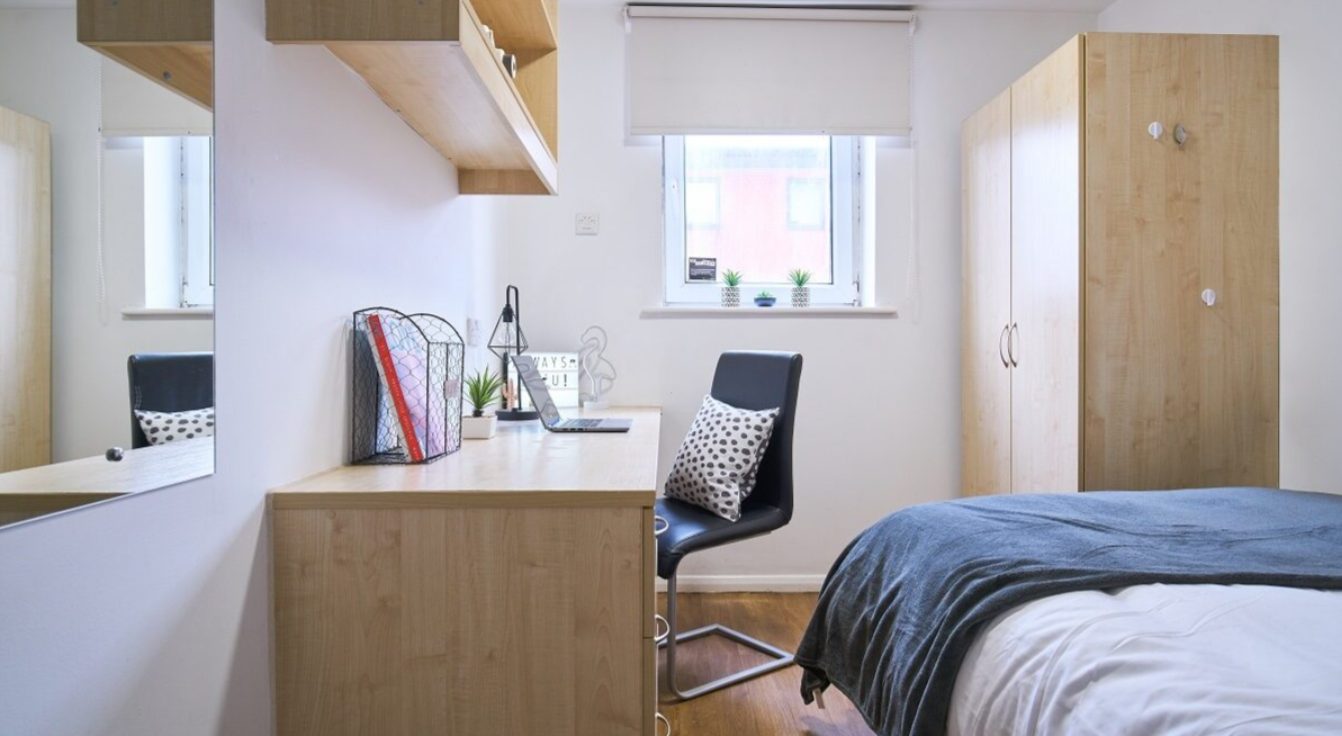
- Walking (0–15 minutes): Choose Microcentro, San Nicolás, or east Retiro. Rent is higher, but you save daily commuting time and transportation costs. For students with heavy daily schedules (e.g., Law School, School of Economics), walking means more flexible time. Note that the downtown area has fewer people at night, so be mindful of safety on some streets.
- Bus/Metro (15–30 minutes): Recoleta and Palermo offer quieter, safer living environments. Bus routes are dense, and Metro line B goes directly to Carlos Pellegrini station. Commuting cost is about 30–60 Argentine pesos per month (with the Sube card, roughly equivalent to 2–4 USD), but you need to plan time (peak intervals of 5–8 minutes). Trade-off: Do you pay an extra 100–150 USD per month in rent for a more comfortable neighborhood, or live in a cheaper area with a 30–40 minute commute?
- Bicycle: The city has expanded its bike lanes in recent years. Cycling from Palermo to UBA takes about 20 minutes. But be mindful of security and parking safety.
Shortlist Logic: How to Filter Accommodations
Since the platform does not provide specific partner dorms, the following is a general shortlist logic to help you quickly make decisions when filtering listings in search tools (such as independent student housing websites):
- Determine maximum walking time: Assuming you choose to walk, first center around the UBA main campus (Viamonte 430) on Google Maps and circle listings within a radius of 1.5 km (about 20 minutes on foot). Delete any with a rating below 3.5 stars or fewer than 10 reviews.
- Filter for operator-managed student apartments: Focus on options that offer furnished, flexible contract lengths (3–12 months), and include utilities and internet. Request an English version of the contract from the operator, and confirm the cancellation terms.
- Share with roommates to lower personal cost: In Palermo or Recoleta, a double room ($350–$450 per person) is more cost-effective than a single ($500+). Check bed sizes and whether cleaning services are included.
- Verify key points during in-person/video viewing: Ask clearly whether there is a doorman (portero) or 24-hour security, elevator condition, and whether the kitchen equipment is complete. Pay special attention to hot water supply (some older buildings have unstable water heaters).
- Use a “Walk Score” tool: Online listings often show a walk score. Prioritize those with a walk score of 80+. Also check the distance to the nearest metro station (recommended within 500 m).
Example shortlist (for illustration of logic only, not real listings):
- Option A: Microcentro single apartment, 8-minute walk, monthly rent $450 (indicative). Advantage: saves time. Disadvantage: neighborhood is quieter at night.
- Option B: Recoleta shared apartment, 20-minute walk or 7-minute bus, monthly rent $375 (indicative). Advantage: safe neighborhood. Disadvantage: need to account for travel time.
- Option C: Palermo double room, 15-minute bus, monthly rent $380 (indicative). Advantage: convenient living. Disadvantage: crowded buses during peak hours.
After comparison, prioritize options that are close and have reviews mentioning “safe” and “quiet.”
Frequently Asked Questions
1. How are rents expected to change in the 2026–2027 academic year?
Due to fluctuating inflation in Argentina, rent may be adjusted every six months. It is recommended to negotiate a fixed price in US dollars when signing a short-term contract (3–6 months) and stipulate that settlement will only be at a specific exchange rate. All online prices need to be confirmed with the operator.
2. Should I sign a short-term contract or a long-term annual lease?
International students are advised to first sign a short-term lease (3–6 months) so they can change accommodation after becoming familiar with the city. A long-term annual lease (12 months) may sometimes offer a discount, but early termination could result in losing the deposit.
3. Which area is most recommended for newcomers to Buenos Aires?
If you only want to walk to UBA, choose Recoleta near the Facultad de Derecho side; if you are on a tight budget, consider Almagro near Metro line A. Be sure to book temporary accommodation (such as a hostel or short-term apartment) for at least the first two weeks before arriving, so you can view properties in person. Before signing any agreement, use the Sube card to test the actual commute time.
Data date: April 2026, based on public reviews and market observations. All prices are indicative; please confirm directly with the operator before leasing.
Explore more: Browse all student housing guides