A Guide to Student Housing Near the University of Strasbourg
Université de Strasbourg is located in Strasbourg, the capital of the Alsace region in eastern France. The main campus address is 4 Rue Blaise Pascal, 67081 Strasbourg. The university ranks 420th in the global QS rankings (2026 data), and has a score of 4.4 on Google Maps (555 reviews). Students and visitors often mention its historical atmosphere, academic quality, and international environment. The following guide will help students planning to enroll in 2026 or 2027 understand key information about housing around the campus.
What Campus Evaluation Reveals
Reading user reviews carefully can quickly give you an overall impression of the University of Strasbourg. One user, Furkan Yıldız, wrote: “History, academic studies and the greatest quality.” (4 months ago) Another user, Nikola R., added: “The course of study provided a thorough exploration of theory and real-world applications, and it was organized nicely. The instructors were well-informed and helpful, promoting inclusive learning environments and critical thinking. The diverse student body added to the conversations by offering a r” (a year ago, review truncated) These reviews indicate that the course quality is high and the instructors are supportive.
user das Schnitzel commented from an architectural perspective: “just saw the outside, but wow is it cool! someone tell me how they built this place, the incredibly beautiful arches and columns make me reminisce of my german heritage and how culture is so important to us all!” (one year ago) This is the only exclamation mark in the entire text, highlighting the cultural value of the campus architecture. Another user, Rajendra Kurapati, summarized: “It is the best place for higher education..it’s always great to walk inside the central university campus.. Home of 20 Noble prize winners ..perfect weather.. Highly international atmosphere..” (9 years ago)
From these reviews, it can be inferred that the campus is located in the city center, within walking distance to many facilities, and has a highly international environment. Therefore, when looking for housing, priority should be given to areas that are within walking distance of the campus or have convenient public transportation, so as to make full use of the campus’s academic and social resources.
City Background: Student Life in Strasbourg
Strasbourg is the seventh-largest city in France and is home to several European Union institutions, including the European Parliament and the European Court of Human Rights. The city blends French and German culture, and its historic center is listed as a UNESCO World Heritage site. For students, the cost of living here is lower than in Paris but slightly higher than in smaller French cities. The public transport system is primarily trams and buses, covering the entire city, and students can enjoy discounted fares (approximately 25 euros/month, 2026 annual standard). Bicycles are also a common mode of commuting, with the city having a well-developed network of bike lanes and a bike-sharing system.
In terms of climate, Strasbourg has a temperate oceanic climate, with cold winters (average temperature of 12 month to 2 month: 0-5°C) and warm summers (average temperature of 6 month to 8 month: 20-25°C). Snowfall occasionally occurs, but public transportation is usually unaffected. The city has approximately 80,000 students, of which about 20% are international students, so the rental market is highly competitive, especially during the start of the school year in 9 month each year. It is recommended to start looking for housing 3-4 months in advance.
Budget Range: Approximate Costs of Various Accommodations (2026 reference)
The following prices are indicative; final costs should be confirmed with the operator. Strasbourg University’s main campus is located in the city center, so rents in the surrounding area are relatively high. If you are willing to extend commuting time (10-20 minutes by tram), you can find more economical options.
-
Student dormitories (CROUS or other private dormitories)
-
Single room (approx. 15–20 sq m): 350–500 Euros per month (incl. water, electricity, internet)
- With private bathroom and kitchenette: 400–600 Euros
- Note: CROUS dormitories usually require early application; international students may also apply, but spaces are limited.
-
Private shared apartment (Colocation)
-
Standard bedroom (approx. 10-15 sqm): 350-500 euros/month (bills not included, bills approx. 50-80 euros/month)
- Larger bedroom or with balcony: 450-600 euros
- Shared flats usually include shared living room, kitchen, and bathroom, suitable for social students.
-
Private studio/one-bedroom apartment (Studio)
-
City center (within 10 minutes’ walk to campus): Monthly: 550-800 euros (excluding utilities)
- Suburbs (tram 20-30 minutes): Monthly: 400-650 euros
- Studios are relatively scarce in Strasbourg, so prices may be higher.
-
Whole apartment (1-room 1-hall, about 30-40 square meters)
-
City center: Monthly 700-1000 EUR
- Suburbs: Monthly 550-800 EUR
- Suitable for couples or students who want complete independence.
-
Short-term stays (e.g., summer internships)
-
Short-term shared rental or Airbnb type: monthly 500-900欧元, need to book in advance.
Overall, students can set a monthly housing budget (including utilities) between 400 and 700 euros. Note that the deposit is typically equivalent to 1 to 2 months’ rent, and French landlords may require a guarantor (international students can obtain a guarantor through organizations such as Garantme or Visale).
Walking vs Public Transit: How to Weigh Distance
The main campus of the University of Strasbourg (Campus Central) is located on the banks of the Ill River, with a wealth of cafés, restaurants, and shops within walking distance. Many students choose to live in the following areas:
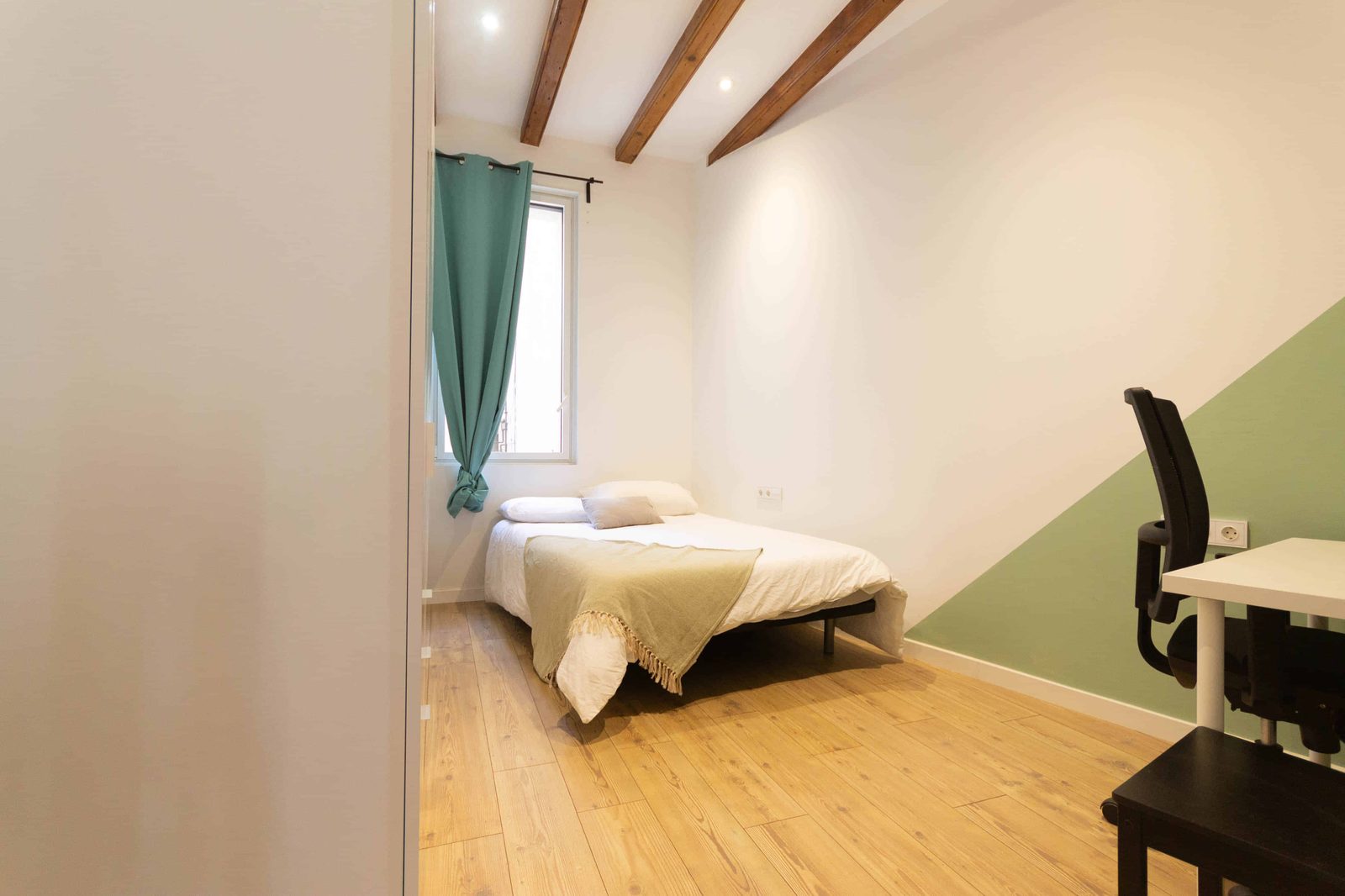
- Esplanade / Orangerie: Right next to campus, a 5-10 minute walk. Rent slightly higher (studio 500-700 euros), but saves time and transport costs. Orangerie has a large park, suitable for jogging and leisure.
- Krutenau: South of the historic center, a 10-15 minute walk or 5 minute bike ride. A lively neighborhood with dense bars and grocery stores. Rent around 450-650 euros.
- Gare (train station) area: 15-20 minute walk to campus, or direct tram lines A, B, C. Rent slightly lower (studio 350-500 euros), but the area has heavy foot traffic and noisy nightlife.
- Route de Schirmeck: Near the university hospital campus, a 10-15 minute walk or bike ride. Mostly student apartments and shared flats, moderate price (400-550 euros).
- Robertsau / Neuhof: Suburbs, 20-30 minutes by tram to campus. Low rent threshold (300-450 euros), but long commute and reduced night service.
Trade-off advice: If the course schedule is intensive (e.g., classes every day), prioritize an area within a 15-minute walk. If the budget is tight and the course schedule is flexible, you can choose a suburb directly accessible by tram. The year-round difference in transportation costs between the city center and the suburbs is about 200 euros/month (including both time and money). Additionally, daylight hours are short in Strasbourg during winter, so long-distance walking or cycling may not be very comfortable. In such cases, public transport or living nearby is more ideal.
How to Filter Nearby Housing: Short-Term Logic
Although this article cannot list all specific dormitories (please search through formal platforms yourself), you can follow the following logic to filter suitable accommodations:
- Determine the core of daily activities: Your courses may be spread across multiple campuses (main campus, medical campus, ESBS, etc.). Query the specific address of your major, and then look for housing around that location. The main campus address is 4 Rue Blaise Pascal, but some science faculties may be at the Illkirch campus (tram 30 minutes). Ensure the housing is close to your main teaching building.
- Set a budget ceiling: Keep housing expenses within 40% of total living costs (including food, transportation, insurance). For example, if the total monthly budget is 1000 euros, then rent should not exceed 400 euros (excluding utilities). Use CROUS or Visale guarantees to reduce deposit pressure.
- Use maps and public transportation: Enter the university address on Google Maps, set the mode to “Public Transit”, and check the travel time from housing options. Give priority to options within 20 minutes. You can also use the Straßburg CTS tram network map.
- Read the lease details carefully: A French lease is usually for 1 years (renewable), and giving notice to vacate requires 1-3 months in writing (depending on the lease). Note whether it includes “cold rent” (without heating and utilities) or “all-inclusive”. Confirm whether you need to purchase housing insurance (about 10-20 euros/month).
- Utilize university and municipal resources: The University of Strasbourg International Office usually provides temporary accommodation (such as CROUS Foyer) or partner recommendations. The city also has a “Logement” help desk (Cité de la Mobilité) that offers free consultations.
- Conduct on-site visits or remote video calls: If it is inconvenient to go in person, you can pay a local student to view the property on your behalf, or ask the landlord to provide a video. Beware of advance payment scams, and do not send any money before viewing the property or having a written contract.
Frequently Asked Questions
Question 1: What is the rent range for student apartments near the University of Strasbourg?
A studio or shared bedroom within walking distance of the city center is about 400–700 euros/month (water, electricity, and internet vary), while in the suburbs it can drop to 350–500 euros. The above are indicative prices for 2026; please confirm with the specific operator. CROUS dormitories are cheaper (about 300–450 euros), but you need to apply in advance.
Question 2: As an international student, how can I find reliable housing?
You can use three legitimate channels: 1) Apply for public dormitories through the official French CROUS platform (éstudiant); 2) Search for private rentals on leboncoin.fr or seloger.com, and make sure to check the landlord’s identity and lease template; 3) Join the Strasbourg student union or Facebook groups (e.g., “Logement Strasbourg”), but beware of fake listings. Also, it is recommended to apply for Visale (free, offering rent guarantee for international students), which can increase your chances of success.
Question 3: Which area is best for walking to class while having convenient daily life?
Top choices are Esplanade, Orangerie, or Krutenau. These areas are within a 10-minute walk of the main campus, with supermarkets, bakeries, pharmacies, and restaurants nearby. Rent is slightly higher than in other areas, but you save on commuting time and monthly pass costs. If you prefer quiet, Orangerie is near a park; if you like lively surroundings, Krutenau has more bars and coffee shops. Note: check whether the property is on the ground floor (higher risk of dampness) or the top floor (may be hot in summer).
Data date: 2026 year 4 month
Explore more: Browse all student housing guides