What Campus Reviews Reveal
The main campus of the University of Brescia is located at Piazza del Mercato 15 in the historic center of Brescia. Based on 80 reviews on Google (average rating 4.0), students’ feelings about it are quite divided.
Francis Darlington gave five stars, feeling that it is “the university of the city,” with old buildings and some “amazing sculptures” inside. This impression is common in the old campus—the building itself is a former noble residence, belonging to Brescia’s most famous Martinengo family (according to another review). Giuseppe Notarnicola also gave five stars, noting that this is where the rector’s office and university administration are located, and the building is a historic home.
But administrative efficiency has become an obvious pain point. Giulia gave only one star, writing four months ago: “The administrative experience was extremely disappointing. I submitted an application a few months ago, and despite multiple reminders and an in-person appointment, I found that my application had not even been processed. Every time the instructions given were different and contradictory, forcing me to repeat the process…” This review is very recent, indicating that at least until the end of 2025, some administrative procedures still had problems. If you are an international student, it is recommended to allow more processing time than expected and keep copies of all documents.
Claudine Cozzoli gave four stars, specifically thanking the armed security guard on duty that day for giving her the chance to see the grand staircase and frescoes—she also attached photos. This shows that security presence on campus is strong, but it also provides accidental cultural experiences for visitors.
Overall, the campus itself has cultural appeal, but if you are someone who hopes administrative matters go smoothly, you may need to follow up proactively. This contradiction also affects students’ preferences for accommodation: if you value stability and fewer trips, an apartment within walking distance of the city center can save you time commuting to administrative offices.
Brescia City Background: Medium Size, Moderate Cost of Living
Brescia is the second largest city (after Milan) in the Lombardy region of northern Italy, with a population of about 20. It is close to Lake Garda and the Alps, and is known for both industry (especially mechanical manufacturing) and history. The city’s public transport includes bus and metro lines (one metro line connects the train station with the city center), though most of the city center is walkable.
Compared to Milan, the cost of living in Brescia is significantly lower. Estimated data for 2026 (for reference only, subject to confirmation by operators):
- Single room (private room) monthly rent: 350–550 euros (near city center may be 500–650 euros)
- One-bedroom apartment: 500–700 euros
- Shared apartment share: 250–400 euros (per person)
These prices are indicative – the final amount depends on room size, whether utilities are included, contract type, etc. The student accommodation market in Brescia is mainly private rentals, with a limited number of university-provided dormitories (beds managed by Opera Universitaria) allocated primarily based on financial situation and academic performance.
Budget Segmentation: Three Main Tiers
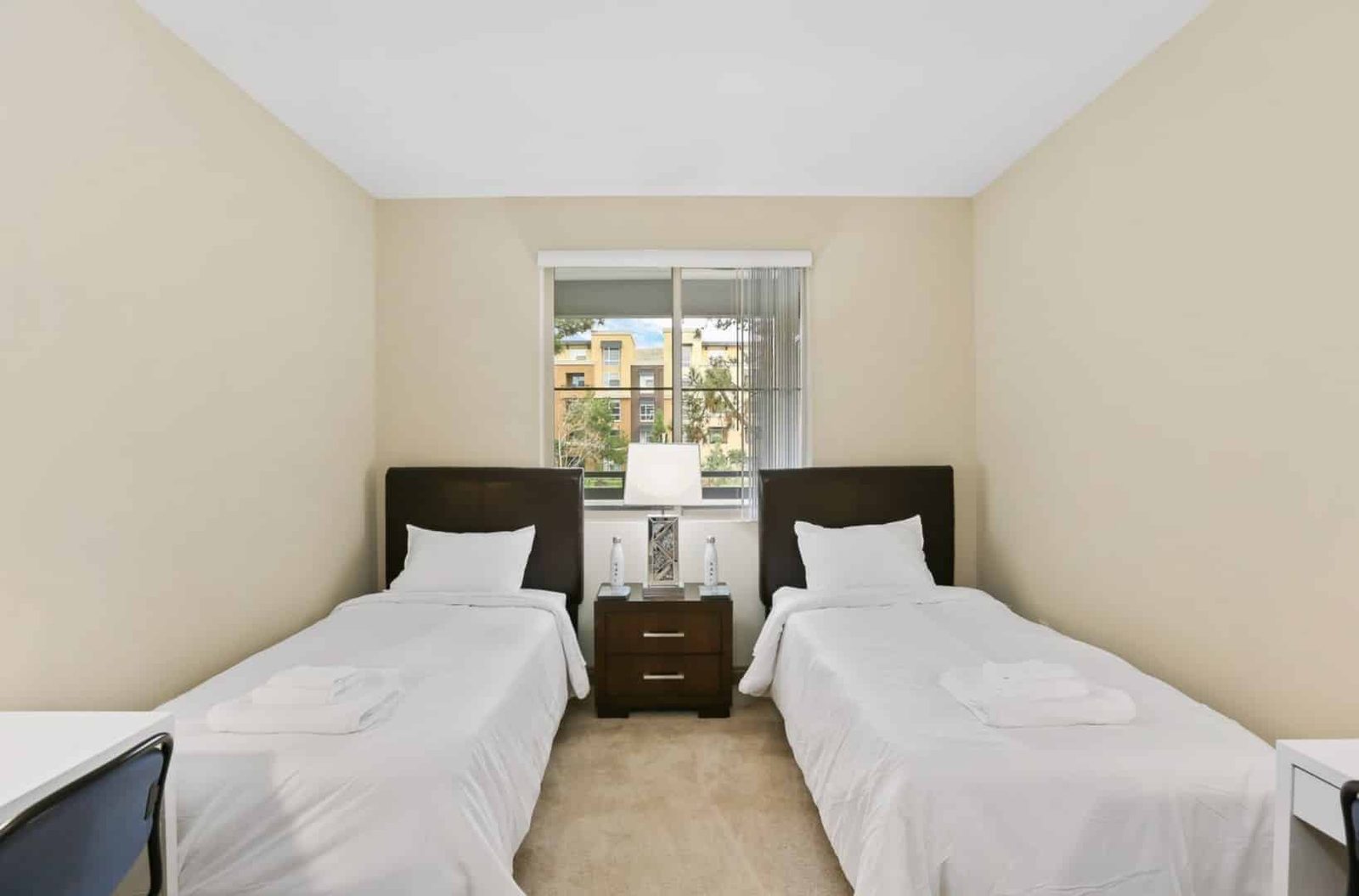
Housing budgets can be roughly divided into three tiers:
-
Economy tier (250–400 euros/month): Common in shared apartments or areas far from the city center, more than 20–30 minutes on foot (e.g., Villaggio Violino, San Polo). Requires taking a bus or metro. Usually includes shared utility costs, but the contract may be short-term.
-
Mid-range tier (400–550 euros/month): Small single apartments or better shared rooms, 10–15 minutes on foot from campus, or within 15 minutes on a bus route. This tier is the range chosen by most international students. Some prices may include heating (an important expense in northern Italy in winter).
-
Comfort tier (550–700+ euros/month): Independent studio apartments or small two-room apartments, located in the historic center (around the campus) or near a metro station. Usually modernly furnished, possibly including furniture. If you plan to use campus facilities frequently, or if you feel cold and want independent control of heating, this tier is worth considering.
For all prices, please confirm the latest quotes directly with the landlord or operator, because the Italian rental market in 2026 may fluctuate by 5–10% due to inflation and energy costs.
Walking vs. Transit: Your Choice Depends on Your Daily Route
The main campus of the University of Brescia is at Piazza del Mercato, located at the edge of the pedestrian zone. Most humanities, economics, and law courses are held here; engineering and medicine are in suburban campuses (accessible by bus or metro). If you mainly attend classes at the main campus, walking has clear advantages.
Scenarios where walking is preferable:
- Your daily commute is mainly to the old campus and the city center library.
- You want to save on a bus pass (about 35–40 euros/month).
- You enjoy the city atmosphere and can be active around squares or restaurants in the evening.
Scenarios where transit is preferable:
- You need to frequently travel between different campuses (especially engineering students at Viale Europa or Via Branze).
- You have a limited budget and are willing to accept a 20–30 minute commute for lower rent.
- You want to be near the train station (convenient for internships in Milan or Verona).
Brescia’s metro line 1 (Metropolitana di Brescia) connects the train station (Stazione FS) with the eastern part of the city, passing near Viale Europa. The bus network covers all suburban campuses. If you live in the suburbs but near a metro station, the commute can be kept under 25 minutes.
Recommendation: In your first year, prioritize housing within a 15-minute walk to get familiar with the city. After determining where your courses are concentrated, decide whether to move to a farther, cheaper area.
Shortlist Logic: How to Filter Your Candidate Apartments
Since we haven’t listed the specific name and rating of a certain co-op building (you didn’t provide this data), here is a general screening framework that you can use in conjunction with the school’s location and your own needs.
Step 1: Set the Distance Range
- With Piazza del Mercato as the center, draw a circle with a radius of 1.5 km (walking time 20 minutes) on the map. This circle covers most of the historic center and some residential areas (such as Carmine, Porta Venezia).
- If you need to take the bus/metro, mark the area within a radius of 500 meters near the stations along the line.
Step 2: Match Your Budget
- Filter the candidate points from the previous step by budget (see the three tiers above). Note that Italian rentals usually require a deposit of 2–3 months’ rent, plus an agency fee that may equal one month’s rent, so your initial capital needs to be 3–4 times the monthly rent.
Step 3: Check the Contract Type and Additional Conditions
- Students commonly use “studenti” or “affitto per studenti” contracts, typically for 12 months or per academic year. Some landlords require a minimum stay of 6 months.
- Confirm whether utilities are included or billed separately beyond a fixed amount. Brescia has high winter heating costs, so it’s best to choose a central heating apportionment (spese condominiali) model.
Step 4: Read Reviews (If Any) and Inspect in Person
- Many students find listings via Facebook groups or real estate agents. If you see negative reviews mentioning “the landlord does not return the deposit” or “insufficient heating,” be cautious.
- When viewing in person, check the airtightness of windows and the state of the water heater (gas or electric).
If you find a housing that meets most of the above criteria, you can add it to your shortlist. Prioritize scheduling viewings, and it is recommended to compare at least 3 properties before signing a contract.
Frequently Asked Questions
1. Should I rent before arrival or wait until I get there?
Both options have risks. Renting early: You can secure an ideal location, but you may fall into the trap of paying a deposit remotely and being cheated by a fake listing. It’s recommended to only do this through a reputable agency or a trusted student network (e.g., recommendations from previous classmates). Renting after arrival: You can first stay in a hostel or short-term rental for 1–2 weeks, see the room in person, and then sign a contract. The rental market in Brescia moves relatively slowly (unlike Milan where rooms are snatched up the same day), so this is usually feasible timewise. If you are starting in 9 month, you can start contacting landlords between 7–8 months.
2. Does the university provide dormitories? How do I apply?
University of Brescia offers a limited number of dormitory beds through Opera Universitaria (including budget apartments and traditional dormitories). Applications are based on ISEE (economic status indicator) and academic performance. International students can also apply, but competition is high. In 2026, according to official notices, applications usually open between 6–7 months, with allocation in 10 month. If you qualify for a scholarship, dormitory fees can be significantly reduced (as low as around 200 euro/month). For specific quotas and fees, please visit the relevant page on the university website (note: this article cannot provide URLs; please search for “Opera Universitaria Brescia alloggi”).
3. Renting with roommates vs. living alone – which is better for new students?
Renting with roommates: If you want to quickly get to know classmates and share living expenses, renting with roommates is the top choice for most new students. A room in a shared apartment in Brescia usually costs 300–450 euro/month (including some bills). Check the cleaning schedule for common areas (kitchen, bathroom). Living alone: If you value privacy, need a quiet study space, or are easily distracted by shared living chores, a one-bedroom apartment or studio is better. Although rent is higher (500–650 euro), you have full control over your daily routine. Some landlords offer short-term student contracts, suitable if you are only staying for one academic year.
Whichever you choose, it is recommended to prioritize furnished properties to avoid the hassle and cost of buying large furniture.
Data: March 2026
Explore more: Browse all student housing guides