Campus Accommodation Guide: University of Southampton
University of Southampton ranks 87th in the global QS rankings, and its main campus, Highfield, is located in the north of Southampton, with a spacious site and abundant greenery. According to current student feedback, the campus atmosphere is lively and the facilities are modern, though some have noted restricted access to facilities during the pandemic. The following collates key points for choosing accommodation near the campus based on real reviews.
Campus Evaluation Excerpts
A student named Kwaggie Baby’lonian gave a 5-star rating, writing: “All the ambassadors are so helpful and lovely. I have successfully gained all the information I needed. The campus is absolutely beautiful. Full of green and places to get food. Such a vibrant and energetic university. People are nice too.” Another 5-star rating from Rithu Maria Jose emphasizes the hardware: “The University of Southampton is a well recognised university with a large and diverse campus. The facilities are modern and well maintained, especially the libraries, study spaces, and student support areas. The campus environment feels lively during term time but also has quiet spots for studying.”
Jamie Cave’s review adds to the navigation experience: “Incredible campus, can occasionally be a bit hard to find where you are going but both on site and online maps are very helpful, and most staff are incredibly kind and can point you in the right direction. Large green spaces and quite a few art instalations are scattered about.” And a 5-year-old 4-star review (from S) reflects the regret during the pandemic: “Beautiful campus filled with flora and fauna. Sadly the pandemic means classes are mostly online and students dont really have the opportunity to use the facilities like labs, gym, SUSU building etc. Really wish the uni could compensate some of the already exorbitant tuition fees since we’re not usi.”
Overall, the campus itself receives positive reviews, but the specific experience is related to details such as the degree of openness and navigation difficulty. When choosing off-campus accommodation, these factors need to be taken into consideration.
City Background and Accommodation Budget
Southampton is a major port city on the south coast of the UK, with a diverse culture and convenient transportation, including direct trains to London (approximately 1.5 hours). The city center has shopping malls, restaurants, and entertainment venues, while the port area retains historical sites and modern commercial facilities. For University of Southampton students, the main Highfield campus is not in the city center, but in a northeastern residential area. Therefore, accommodation options are mainly divided into two categories: close to campus or in the city center with commuting.
According to platform data, the lowest weekly rent for student accommodation currently available in Southampton is 94.42 pounds (indicative — confirm with the operator). This price usually corresponds to a single room in a shared apartment, and the cost may include basic utilities and internet. The actual budget range is roughly divided into three tiers:
- Budget range (approx. 95–130 GBP/week): Mostly shared rooms in on-campus or off-campus student accommodation, with shared kitchen and living room. For example, Park House falls in this range. It is located near the city centre, and it takes 20–25 minutes to walk to the Highfield campus or by bus.
- Mid-range (approx. 130–180 GBP/week): Includes single studios or private rooms in larger apartments, usually with more amenities. Austen House and Orion Point fall into this category. The former is near the city centre, and the latter is close to the campus, with a walking distance of about 15 minutes.
- High-end (approx. 180 GBP and above/week): Offers high-spec decoration, gym, communal social spaces, and other facilities. Vita Student Richmond House is a typical example. It is located in the city centre, with rooms being studios or clusters. The rent is higher but the amenities are comprehensive, suitable for students who value privacy and socialising.
The above prices are the listed prices of third-party apartments. Actual costs fluctuate based on rental period, vacancy rate, and promotions. Before signing the contract, be sure to verify the final bill with the apartment, including whether additional deposits, utilities, and laundry fees are charged.
Walking vs. Public Transportation Trade-off
When choosing where to stay, the core trade-off is between saving walking time and lowering rent or getting more living amenities.
Walk-friendly accommodation: The target area is within walking distance of the Highfield campus (approx. 15–20 minutes). Orion Point is a typical example, located in the Portswood community, about 12 minutes’ walk from the campus, with supermarkets, cafes, and restaurants nearby. The advantage of this type of accommodation is that you can return to the dormitory at any time, suitable for students who need to frequently go to the library, laboratory, or participate in club activities. The disadvantage is that student apartments in this area are highly competitive, mid-range and high-end housing prices are relatively high, and there are fewer budget options.
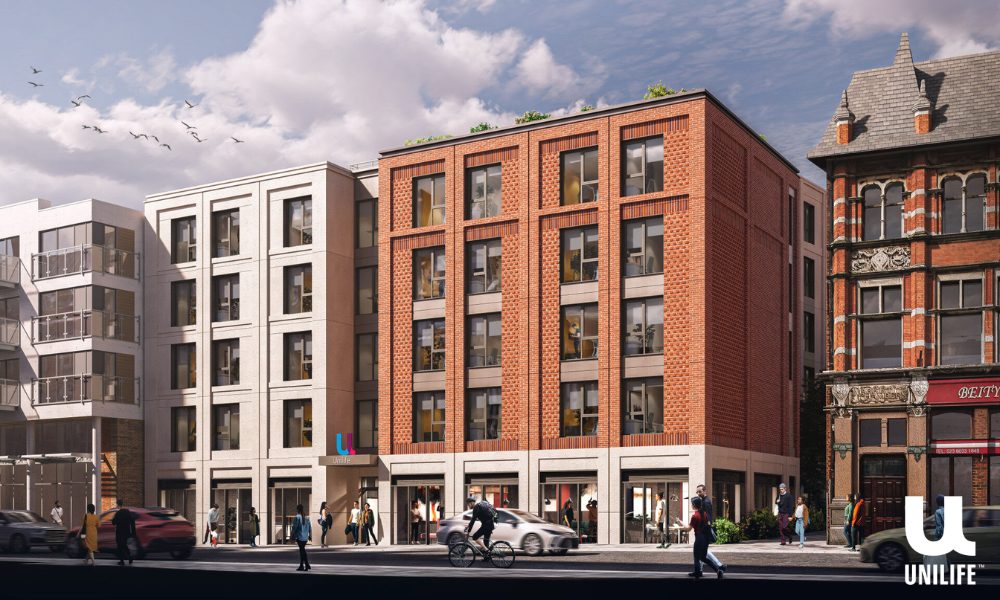
Accommodation Relying on Public Transport: Apartments in the city center or near train stations (such as Park House, Austen House, Vita Student Richmond House) generally have slightly lower rents and a livelier lifestyle. Buses from the city center to the Highfield campus (UniLink or BL line) run frequently, with a one-way trip of about 10–15 minutes, and a student monthly bus pass costs about 30–40 pounds. The advantage of choosing city center accommodation is more entertainment options on weekends and evenings, and the transport hubs to other major cities (such as London, Bristol) are nearby. The disadvantage is increased commute time, buses may be crowded on rainy days or during peak hours, and you need to bear the cost of a monthly pass.
Additionally, Southampton has bike lanes. Cycling from the city center to the campus takes about 15–20 minutes, serving as an option between walking and taking the bus.
Shortlist Logic and Recommendation Order
Based on the apartment information collected by the platform, the following is a reference logic for filtering nearby accommodations. It does not constitute a recommendation ranking; it only explains the options corresponding to different needs.
- Close to campus with balanced value for money: Orion Point is about a 12-minute walk from campus. It is mid-range in price, with rooms mostly being studios or ensuites, suitable for students who want an independent study space and don’t want to spend too much time commuting. This apartment often appears in student reviews and has well-maintained facilities.
- City center with comprehensive living amenities: Vita Student Richmond House is high-end, but located in the heart of the city center, just a few minutes’ walk to shopping areas, the train station, and the harbor. Suitable for students who value quality of life and are willing to take the bus or occasionally cycle to school. Note that the price of this apartment is significantly higher than the budget tier.
- Budget option with convenient transportation: Park House is on the edge of the city center, with prices starting around a hundred pounds. It is close to the bus stop and about a 20-minute drive to campus. Suitable for students on a tight budget who don’t mind commuting. Rooms are mostly cluster types with shared kitchens and living rooms, offering a strong social atmosphere.
- Mid-range option balancing city center and campus: Austen House is also in the city center but closer to bus stops. Rooms are primarily studios and ensuites. Its management fees are relatively transparent, making it suitable for students who want to control their budget but don’t want to share a flat.
- Traditional residential area near campus: Vincent Place is also close to campus, about a 15-minute walk, with small supermarkets and green spaces nearby. The apartment type is mainly mid-range ensuites, and the overall environment is quiet, suitable for students who need to focus on their studies.
When making your actual selection, it is recommended to clarify your priorities in order: budget ceiling, tolerance for walking distance, whether you need a private bathroom or kitchen, and whether you value proximity to downtown social venues. Then cross-reference the above apartments’ locations, room types, and price data for screening. All prices are indicative and must be confirmed with the apartment operator.
Frequently Asked Questions
What expenses are typically included in the rent for student apartments?
Most student apartments (such as all the examples mentioned above) have weekly rent that includes water, electricity, heating, and basic internet. Whether property insurance, laundry facility fees, or common area cleaning services are included needs to be inquired specifically. Some high-end apartments (such as Vita Student) also hold social events and provide gyms and study rooms; these service fees may be included in the rent. It is recommended to request a complete fee list before signing the contract to avoid unexpected bills later.
How long does it take from the city center to the Highfield campus?
Bus: From major city center stops (such as Above Bar Street or WestQuay), take UniLink routes U1/U2. During peak hours, buses run every 5–10 minutes, taking about 12–18 minutes to the campus gate. Service frequency is reduced during off-peak hours but remains convenient. Cycling: About 15 minutes on flat sections, but Southampton has slopes, making cycling more strenuous. Walking: From the city center to the campus gate takes about 35–40 minutes; most students choose a faster option. Evening public transport runs until around 23:00, but night services are reduced.
How to confirm if an apartment has a vacant room?
All prices and availability must be verified through the apartment operator or a third-party platform. Since student housing leases typically run from 9 to 6/7 of the following year, popular properties (such as Orion Point and Vita Student) may sell out as early as spring. It is recommended to contact the apartment operator 3–4 months in advance for real-time quotes and contract terms. Some apartments allow installment payments but may charge additional fees or require a guarantor. Before signing, be sure to read the cancellation policy—for example, whether you can cancel without penalty if you receive your visa later or change schools.
Data as of January 2026. All rental prices are indicative — confirm with the operator before making any financial commitments.
Explore more: Browse all student housing guides